-
Courses
Courses
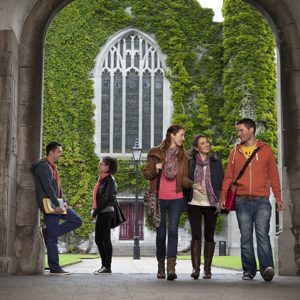
Choosing a course is one of the most important decisions you'll ever make! View our courses and see what our students and lecturers have to say about the courses you are interested in at the links below.
-
University Life
University Life
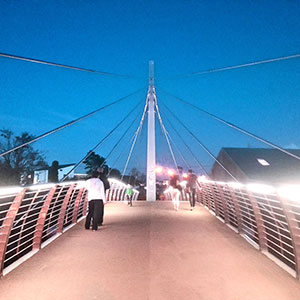
Each year more than 4,000 choose University of Galway as their University of choice. Find out what life at University of Galway is all about here.
-
About University of Galway
About University of Galway
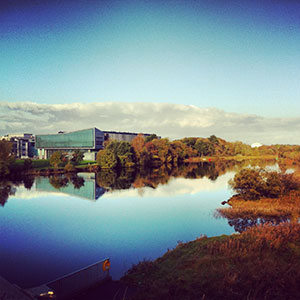
Since 1845, University of Galway has been sharing the highest quality teaching and research with Ireland and the world. Find out what makes our University so special – from our distinguished history to the latest news and campus developments.
-
Colleges & Schools
Colleges & Schools
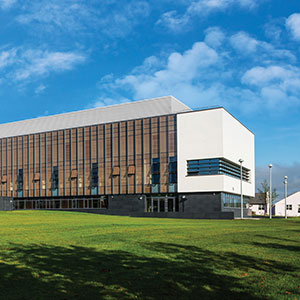
University of Galway has earned international recognition as a research-led university with a commitment to top quality teaching across a range of key areas of expertise.
-
Research & Innovation
Research & Innovation
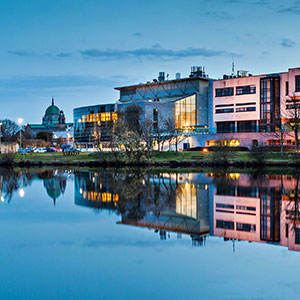
University of Galway’s vibrant research community take on some of the most pressing challenges of our times.
-
Business & Industry
Guiding Breakthrough Research at University of Galway
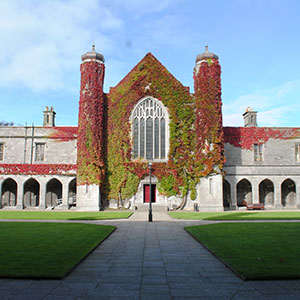
We explore and facilitate commercial opportunities for the research community at University of Galway, as well as facilitating industry partnership.
-
Alumni & Friends
Alumni & Friends
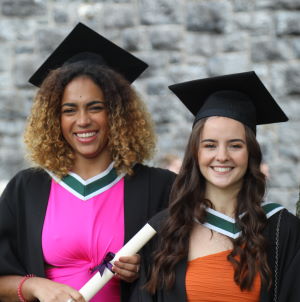
There are 128,000 University of Galway alumni worldwide. Stay connected to your alumni community! Join our social networks and update your details online.
-
Community Engagement
Community Engagement
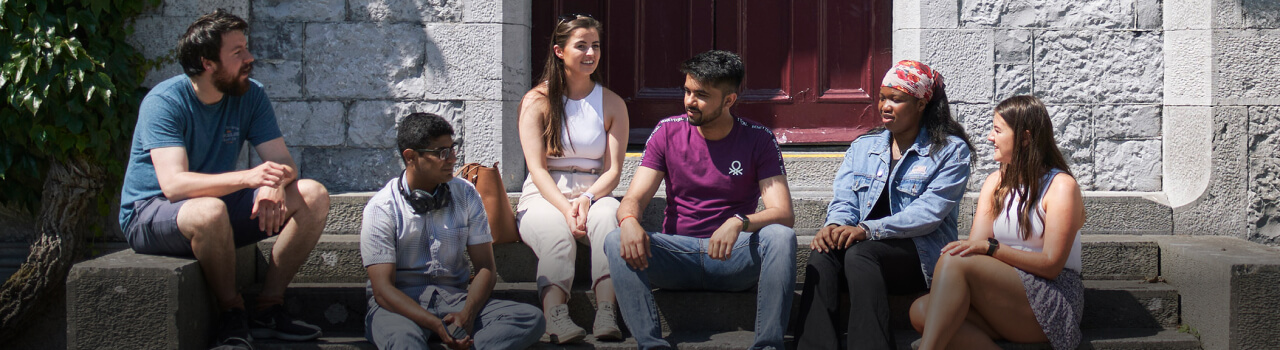
At University of Galway, we believe that the best learning takes place when you apply what you learn in a real world context. That's why many of our courses include work placements or community projects.
 Accessibility & Language
Marine and Freshwater Resources: Management (MSc)
MSc (Marine and Freshwater Resources: Management)
College of Science and Engineering- Title of Award
- Master of Science
- Course Code
- MSC-MFR
- Average Intake
- 20
- Delivery
- On Campus
- NFQ
- Level 9
- Award Type
- Major
- Next Intake
- September 2027
- Duration
- 1 year, full-time
- ECTS Weighting
- 90
Why Choose This Course?
Course Information
Who is this course for?
This course is ideally suited for graduates with a degree in science, engineering, or geography, or those with relevant work experience. It is also targeted at professionals in industry, government, and the regulatory sector who wish to upskill or further develop their resources and knowledge base. Realistically, anyone who has a passion for water or an interest in the topic is suited to this course. The course aims to equip students with the skills required to start addressing some of the critical challenges society will face regarding human impact on the aquatic environment during the 21st century.
What will I study?
The MSc is a 90 ECTS programme, based on a model that includes 60 ECTS from taught modules and a 30 ECTS research project in Semester 3.
The 60 ECTS taught component is comprised of 40 credits from core modules and 20 credits from optional modules, split across Semesters 1 and 2. Modules are delivered via lectures, seminars, workshops, teaching technologies, online participation, and individual research.
Core modules:
- Environmental Problems in Marine and Freshwater Environments: Methodological Aspects and Applications
- Environmental Problems & Solutions from Land to Sea
- Operational Oceanography
- Water Framework Directive (WFD)
- Environmental and Human Health
- Communicating Research
- Green Labs Principles & Practice
Optional modules:
- Sustainability Planning and Policy for Marine Environments
- Global Change
- Introduction to Data Analysis Tools for Earth and Ocean studies
- Invasive Species and Biodiversity
- Ecosystem Science
- Project Management
- Programming for Data Science
- Geospatial Techniques
- Data Analysis for Sustainability Research
- Legislation for Environmental Scientists
Students complete an individual research project (30 ECTS) in Semester 3, which involves preparing a literature review, identifying research questions, and writing a final report. This project offers an opportunity to conduct independent research and apply learning from the course content to original work.
[an error occurred while processing this directive]
- Unique Combined Focus: This Master’s is unique because it combines both the marine environment and the freshwater environment, taking a holistic approach to the source-to-sea (land-to-sea) pathways.
- Industry-Informed Design: The course structure was developed based on a feasibility study and survey findings from prospective employers in both the private and public water science sectors.
- Cross-Sector Employability: The program provides training in cross-sector skills and competences that support national and international occupational mobility and enable graduates to work in and lead multidisciplinary teams.
- Practical & Field Experience: Students receive hands-on practical experience, including laboratory work, environmental sensitivity mapping, and time sampling on boats.
- Policy and Legislation: Training provides comprehensive knowledge regarding international directives and national legislation related to marine and freshwater resources, and the legal frameworks that underpin them.
- Scientific Leadership: The curriculum is designed to develop the capacity and capability for scientific leadership and solution-based approaches relevant to graduates' career trajectories.
The MSc in Marine and Freshwater Resources: Management will produce well-rounded, dynamic problem-solvers and leaders who can work in any area related to the marine and freshwater environments and associated industry. Graduates often gain meaningful employment immediately in the sector.
Sectors and Employers: Opportunities exist in sectors such as government, NGOs, and private companies, all driven to meet environmental targets set within international agreements. The course is relevant to professionals in Local Authorities, regulatory sectors, and environmental consultancy firms.
Examples of Roles: Graduates acquire multidisciplinary skills in science, communication, and management. Career paths include roles such as project managers, consultants, and advisors within public and private sectors in Ireland and internationally.
Further Study: The course provides a strong foundation and a portfolio of generic skills that help graduates compete for PhD programmes and improve their ability for other research roles in academia. The subject knowledge, transferable skills, and thesis elements are designed to provide the opportunity to carry out further research.
- Dr Liam Morrison
- Dr Gesche Kindermann
- Dr Caitriona Carlin
- Dr Robert Kennedy
- Prof. Peter Croot
- Dr Una FitzGerald
- Dr Oisín Callery
- Dr Kathryn Cormican
- Dr Rónán Kennedy
- Dr Napron Popattanachai
- Dr Karl Mason
- Dr Liam Carr
And also a series of Guest Lecturers
How will I learn?
You will learn through a mix of lectures, seminars, workshops, teaching technologies, online participation, and individual research. Students get lots of hands-on practical experience, including intensive laboratory work and fieldwork such as sampling on boats and environmental sensitivity mapping. The program fosters the development of advanced problem solving, analytical, and management skills necessary for scientific leadership.
How Will I Be Assessed?
Assessment is module specific but is primarily conducted through continual assessment, assignment, and project work. The overall combination of coursework and assessments provides a rational balance for students to excel. The major assessment component is the 30 ECTS Research Project in Semester 3.
Course queries:
lorna.larkin@universityofgalway.ie
Programme Director(s):
Dr Liam Morrison
School of Natural Sciences and the Ryan Institute
College of Science and Engineering
E: liam.morrison@universityofgalway.ie
T: 091 493 200
University of Galway recognises that knowledge and skills can be acquired from a range of learning experiences. This is in line with the National Framework of Qualifications (NFQ) goals which aim to recognise all learning achievements by supporting the development of alternative pathways to qualifications (or awards) and by facilitating the recognition of prior learning (RPL).
The Programme Board for Marine and Freshwater Resources: Management will consider non-standard applications, where both the appropriate discipline and required relevant experience are at the discretion of the Programme Board.
Further information is available on the University’s Recognition of Prior Learning website
Graduates of the MSc in Marine and Freshwater Resources Management will acquire key knowledge and transferable skills that they can utilize in any workplace, whether in academia or industry. Graduates develop the capacity for scientific leadership and solution-based approaches. Key skills include:
- Advanced problem solving, management, analytical and communication skills.
- The ability to apply analytical and technical skills required for research and application in marine and freshwater systems.
- Planning, organising and controlling activities to ensure successful project completion.
- Data assessment skills necessary to inform decision-making and management.
- Communicating results of monitoring, research and innovation, and engaging the public on ocean literacy.
- Transversal and multidisciplinary skills essential for national and international occupational mobility.
Accreditations & Awards


I have always had a great interest in the aquatic environment and how our interactions may have an impact on the health of its diverse ecosystems. This particular course provides a unique opportunity to study such interactions and their impacts across multiple disciplines for both freshwater and marine environments. It also provides excellent practical experience both in the field and laboratory, which is hugely beneficial in developing key transferable skills for the workplace. I would highly recommend this Masters course to anyone interested in improving their understanding of the processes.
Moya O'Donnell
Student
I am one of the inaugural students in the MSc Marine and Freshwater Quality and Resource Management. The program combines theory with excellent fieldwork, giving hands-on experience with ecological water testing, and offers optional modules from Project Management to Environmental Legislation and coding. It highlights the pressures on fresh and marine water, deepening appreciation of this precious resource. Liam’s engaging lectures and helpful guidance make the course highly recommended for future postgraduates.
Steve Lane
Student
With a background in social sciences and watershed science, I was drawn to this Master’s program for its interdisciplinary approach to environmental issues. The program exceeded my expectations, offering comprehensive, up-to-date coursework in a flexible learning environment. The small, diverse cohort fostered a strong sense of community, and learning from professors and industry guest speakers—especially program advisor Dr. Liam Morrison—was invaluable. His guidance helped me confidently discuss Irish-specific issues in interviews, leading to a role with Uisce Éireann before graduation.
Daniel McGuire
UISCE Eireann
One of my most meaningful academic experiences was completing the MSc in Marine and Freshwater Resources: Management and Monitoring at the University of Galway. With a background in chemistry and environmental regulation, I sought a programme linking freshwater and marine systems, which this MSc delivered. The balance of lectures, research, and expert guest speakers connected theory to practice and aligned with EU water regulations. The programme broadened my international perspective on water management and inspired the research that now forms the basis of my PhD.
Meet our Employers
.png)





Entry Requirements and Fees
Minimum Entry Requirements
Proposed 2.1 honours (or equivalent) in a related subject area is the minimum academic standard, though 2.2 students (or equivalent) with relevant experience will also be considered. The Programme Board will consider non-standard applications. The appropriate discipline and required relevant experience are at the discretion of the Programme Board.
Academic entry requirements standardised per country are available here.
English Language Entry Requirements
For applicants whose first language is not English, an English language proficiency of IELTS score of 6.5 is required (with no less than 6.5 in Writing and no less than 6.0 in any other band) or equivalent.
More information on English language test equivalency are available here.
Supporting Documents
You will be required to provide supporting documentation as part of your application. You can check here what supporting documents are required for this course.
You can apply online to the University of Galway application portal here.
Please review the entry requirements set out in the section above.
You will be required to upload supporting documentation to your application electronically. See the section above on entry requirements for further information on the supporting documentation required for this course.
Closing Dates
For this programme, there is no specific closing date for receipt of applications. Applications will be accepted on a rolling basis and course quotes will be reviewed continuously throughout the application cycle.
Notes
- You will need an active email account to use the website and you'll be guided through the system, step by step, until you complete the online form.
Browse the FAQ's section for further guidance.
Fees for Academic Year 2027/28
| Course Type | Year | EU Tuition | Student Contribution | Non-EU Tuition | Levy | Total Fee | Total EU Fee | Total Non-EU Fee |
|---|---|---|---|---|---|---|---|---|
| Masters Full Time | 1 | €9150 | €0 | €29300 | €150 | €150 | €9300 | €29450 |
Postgraduate students in receipt of a SUSI grant – please note an F4 grant is where SUSI will pay €4,500 towards your tuition (2026/27). You will be liable for the remainder of the total fee. A P1 grant is where SUSI will pay tuition up to a maximum of €6,270. SUSI will not cover the student levy.
Note to non-EU students: learn about the 24-month Stayback Visa here.
This scholarship is valued at €1,500 for EU students applying for full-time taught master's postgraduate courses. You will be eligible if:
- You have been accepted to a full-time taught master's course at University of Galway,
- You have attained a first class honours (or equivalent) in a Level 8 primary degree.
An application for the scholarship scheme is required (separate to the application for a place on the programme). The application portal for 2026 is now open and available here. Applications will close on the 30th September 2026. Full details available here.
Global Scholarships (standard text for all courses)
University of Galway offers a range of merit-based scholarships to students from a number of countries outside of the EU. Visit here for schemes currently available.
School of Natural Sciences Scholarship
Application Process
Students applying for full time postgraduate programmes from outside of the European Union (EU), You can apply online to the University of Galway application portal here.
Our application portal opens on the 1st October each year for each the following September.
Further Information
Please visit the postgraduate admissions webpage for further information on closing dates, documentation requirements, application fees and the application process.
Why University of Galway?
World renowned research led university nestled in the vibrant heart of Galway city on Ireland's scenic West Coast.
Contact the College of Science and Engineering
University of Galway, University Road, Galway, Ireland, H91 TK33


Downloads
Meet Our Alumni
Course Introduction
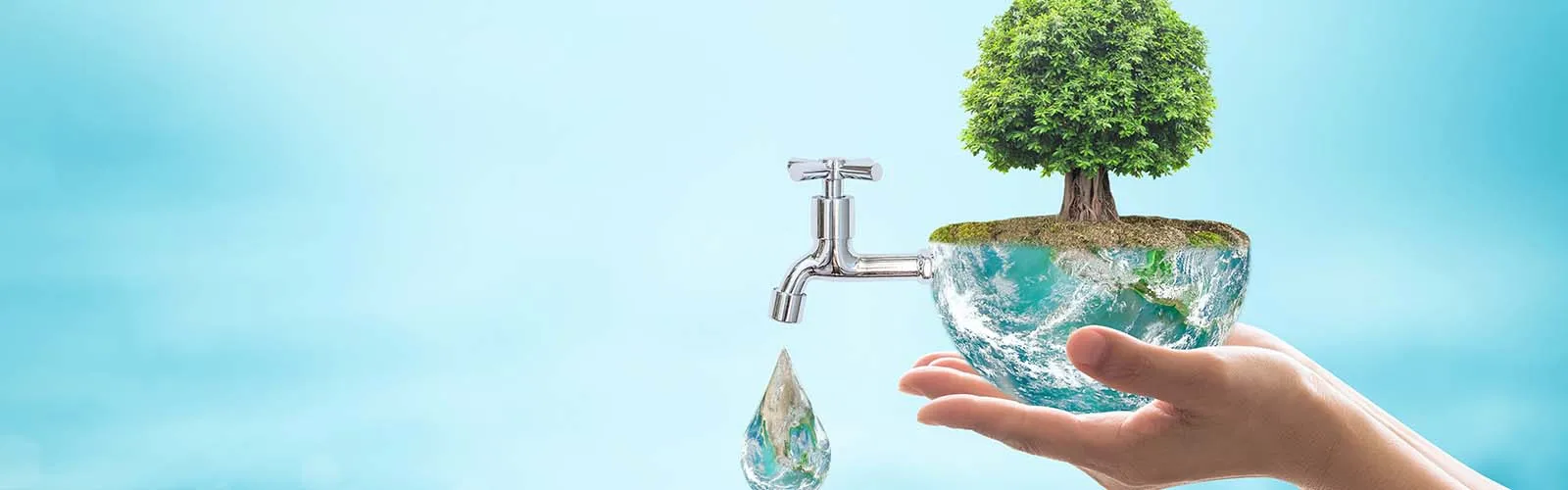
The Marine and Freshwater Resources: Management Master's program combines marine and freshwater resources management, assessing the vital land-to-sea pathway. You will gain advanced knowledge and skills to address critical 21st-century challenges like population expansion, climate change, and environmental pollution. It examines the impacts that both human and natural causes have on water quality and various contaminants and pathways. The course helps society manage water quality for future generations to come.